
Over the years, I’ve learned that responsible financial management is the key to achieving financial success and peace of mind. In this blog post, I’ll delve into the 50/30/20 rule, breaking down its core principles, explaining how to implement it effectively, and providing insights into how it can transform your financial life. So, let’s get started!
Understanding the 50/30/20 Rule
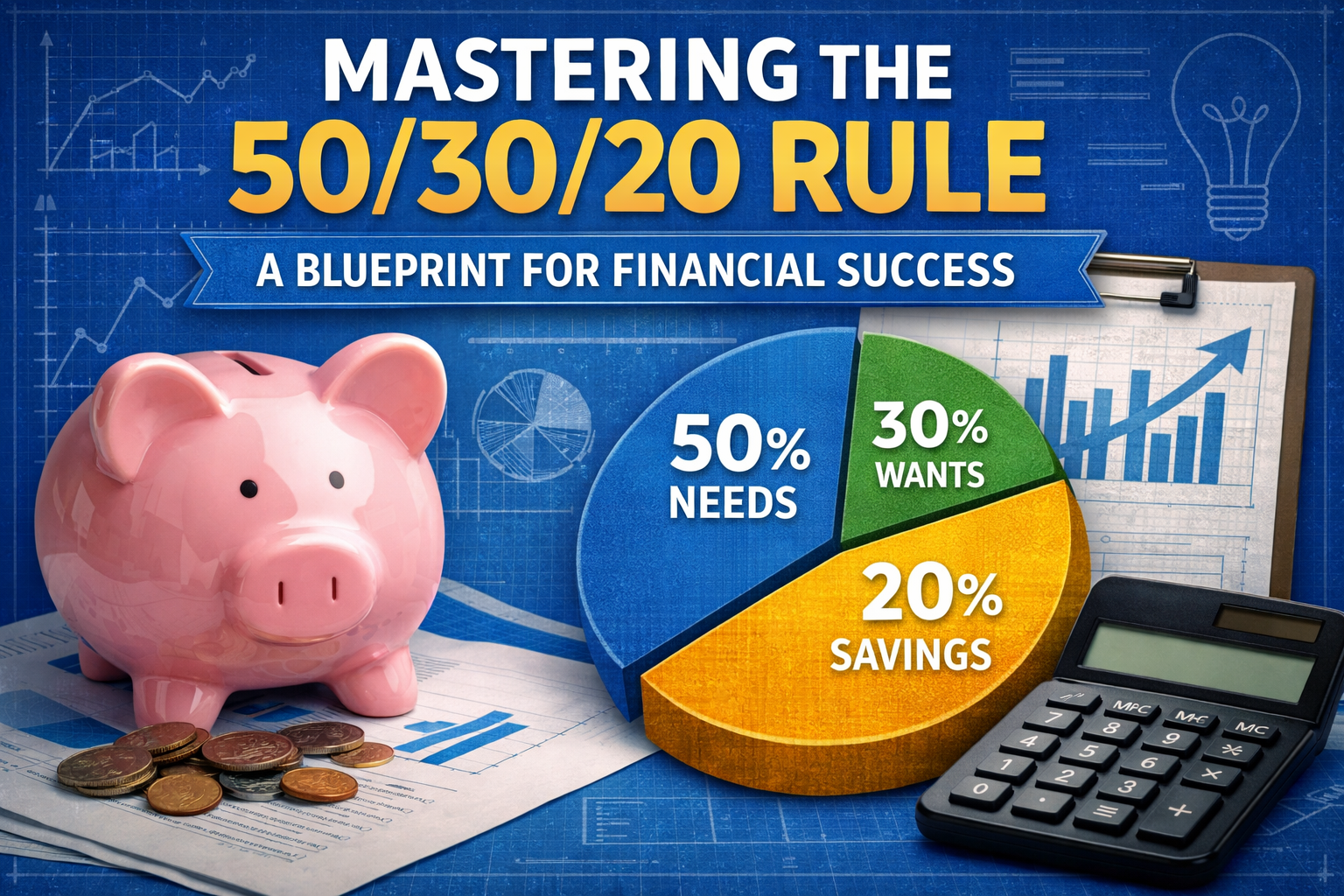
First things first, let’s discuss the cornerstone of responsible financial management: the 50/30/20 rule. This rule suggests allocating 50% of your income to essential expenses, such as housing, utilities, groceries, and transportation. These are the non-negotiables that keep your life running smoothly. Now, let’s dive deeper into each of these components:
Essential Expenses (50%)
Housing:
-
Rent or Mortgage: This is the most substantial housing expense. It’s crucial to balance your income with the cost of your rent or mortgage. Ideally, this expense should not exceed 30% of your income to ensure that you have enough left over for other necessities.
-
Property Taxes: If you own a home, property taxes are a recurring expense that you must budget for. These taxes vary depending on your location and the value of your property.
-
Home Insurance: Homeowners and renters alike should have insurance coverage to protect their property and belongings. The cost of insurance varies based on factors like your location, the value of your possessions, and the type of coverage you choose.
-
Maintenance and Repairs: Regular maintenance and occasional repairs are essential to keep your home in good condition. Budget for items like plumbing, electrical repairs, and appliance replacements.
-
Homeowners Association (HOA) Fees: If you live in a community with an HOA, these fees cover shared amenities and maintenance. Ensure you include these fees in your housing budget.
Utilities:
-
Electricity: The cost of powering your home is a fundamental utility expense. Be mindful of energy-efficient practices to keep these costs in check. Consider using LED lighting, programmable thermostats, and energy-efficient appliances.
-
Water and Sewer: These expenses are often billed together. Keep an eye on your water usage, fix leaks promptly, and consider low-flow fixtures to reduce consumption.
-
Natural Gas or Propane: If your home uses natural gas or propane for heating, cooking, or other appliances, this should be included in your utility budget.
-
Internet and Cable: High-speed internet is essential for work, entertainment, and staying connected. Review your internet and cable bills regularly to ensure you’re not overpaying for services you don’t need.
Groceries:
-
Food: This includes not only groceries but also toiletries and household cleaning supplies. To manage this expense, create a meal plan, make a shopping list, and avoid impulse purchases.
-
Dining Out: While dining out can fall under discretionary spending, it’s still part of your food budget. Set limits on how often you dine out to avoid overspending.
Transportation:
-
Car Payments: If you have an auto loan, include the monthly payment as an essential expense. Try to choose a car that fits comfortably within your budget.
-
Insurance: Auto insurance is mandatory in most places, and its cost can vary based on factors like your driving history, the type of coverage, and the vehicle you drive.
-
Fuel: Budget for gasoline or diesel if you own a car. Consider fuel-efficient driving habits and carpooling to save on fuel expenses.
-
Public Transportation: If you rely on buses, trains, or subways, include the cost of tickets or monthly passes in your budget. Public transportation can be an efficient and cost-effective way to commute.
-
Maintenance and Repairs: Regular maintenance, such as oil changes and tire rotations, is necessary to keep your vehicle running smoothly. Additionally, budget for unexpected repairs.
-
Parking: If you pay for parking at your workplace or residence, include this cost in your transportation expenses.
These essential expenses include a wide range of items crucial to maintaining your quality of life and daily routines. By carefully budgeting for these necessities and adhering to the 50/30/20 rule, you can achieve financial stability and make informed decisions about your discretionary spending.
The 30% for Wants
Now, let’s shift our focus to the 30% of your income that can be allocated to your wants. These are the discretionary expenses that make life enjoyable:
Dining Out:
-
Restaurant Meals: Dining out at restaurants is a delightful way to savor delicious cuisine without having to cook. Include expenses for brunches, lunches, dinners, and special-occasion meals in this category.
-
Takeout and Delivery: Ordering takeout or having food delivered to your doorstep is a convenient option for busy days or when you simply want a break from cooking.
-
Social Gatherings: Spending quality time with friends and loved ones often involves dining out. This includes celebrations, birthdays, and casual gatherings where you share meals.
-
Coffee Shops and Cafes: Trips to your favorite coffee shop or café for a latte or pastry can be a comforting treat. These expenses can add up, so it’s essential to budget for them.
Entertainment:
-
Streaming Services: Subscription services like Netflix, Hulu, Disney+, and others are popular sources of entertainment. Allocate funds for monthly subscription fees to enjoy a variety of content.
-
Concerts and Events: Attending concerts, sporting events, and live performances can be an exciting way to spend your discretionary income. Budget for tickets and related expenses.
-
Hobbies: Pursuing hobbies like painting, photography, or playing musical instruments can be both enjoyable and fulfilling. Include hobby supplies or class expenses in your budget.
-
Books and Magazines: If you’re an avid reader, allocate a portion of your “Wants” budget for purchasing books, magazines, or e-books.
-
Gaming: For gamers, expenses for video games, consoles, or online gaming subscriptions should be included under entertainment spending.
Travel:
-
Airfare and Accommodation: Planning trips involves budgeting for airfare, hotel bookings, or vacation rentals. Look for deals and discounts to make the most of your travel budget.
-
Travel Insurance: To ensure a stress-free journey, consider including travel insurance in your expenses. It can provide peace of mind in case of unexpected events.
-
Activities and Excursions: Explore your destination by budgeting for activities like guided tours, sightseeing, and adventure excursions.
-
Dining While Traveling: When traveling, dining out is a significant part of the experience. Enjoying local cuisine is a must, so allocate funds for trying new dishes.
-
Souvenirs: Bring home memories from your trips by setting aside a portion of your “Wants” budget for souvenirs and mementos.
-
Travel Savings: To make travel more accessible, create a dedicated travel savings fund. Set aside a portion of your discretionary income to save for future adventures.
By wisely managing your “30% for Wants,” you can strike a balance between enjoying life’s pleasures and maintaining financial responsibility. Remember that setting limits and prioritizing your spending in this category can help you achieve your goals while still indulging in what makes life enjoyable.
The 20% for Savings and Debt Repayment
Now, the remaining 20% of your income should be dedicated to savings and debt repayment. This is where you build your financial security and work towards achieving your long-term goals:
Emergency Fund:
-
Fund Establishment: The first step in financial security is creating an emergency fund. Allocate a portion of your 20% income to build this safety net, which should ideally cover at least three to six months’ worth of essential expenses.
-
Monthly Contributions: Make it a habit to contribute a fixed amount to your emergency fund each month. Automate the process to ensure consistent savings.
-
Emergency Scenarios: Be prepared for unexpected financial setbacks such as medical expenses, car repairs, or job loss. Your emergency fund will provide a cushion during challenging times.
Retirement Savings:
-
Employer-Sponsored Plans: If your employer offers a 401(k) or similar retirement plan, take advantage of it. Contribute enough to get the maximum employer match, as this is essentially free money.
-
Individual Retirement Accounts (IRAs): Consider opening and contributing to an Individual Retirement Account (IRA) in addition to your employer-sponsored plan. IRAs offer tax advantages and investment flexibility.
-
Consistent Contributions: Allocate a portion of your 20% income to retirement savings consistently. The power of compound interest makes early and regular contributions incredibly valuable.
-
Diversify Investments: Diversify your retirement portfolio by investing in a mix of stocks, bonds, and other assets to manage risk and maximize returns.
Debt Repayment:
-
Debt Assessment: Begin by listing all your outstanding debts, including credit card balances, student loans, car loans, and mortgages. Organize them by interest rate and balance.
-
Prioritize High-Interest Debts: Prioritize paying off high-interest debts, such as credit card balances, as they accumulate interest quickly and can impede your financial progress.
-
Debt Snowball or Debt Avalanche: Choose a debt repayment strategy that suits your financial situation. The “debt snowball” method focuses on paying off the smallest debts first, while the “debt avalanche” targets the highest-interest debts first.
-
Consistent Payments: Allocate a portion of your 20% income to make consistent debt payments. Consider paying more than the minimum on high-interest debts to accelerate repayment.
-
Track Progress: Regularly monitor your debt reduction progress. As you pay off debts, redirect the money towards other debts or savings.
-
Avoid New Debt: While repaying existing debts, strive to avoid accumulating new debt. Make conscious spending decisions and stick to your budget.
Additional Savings Goals:
-
Other Savings Goals: Besides an emergency fund and retirement savings, consider setting aside money for other goals such as buying a home, funding education, or taking a dream vacation.
-
Automatic Transfers: Set up automatic transfers from your checking account to your savings and investment accounts to ensure you consistently save and invest.
-
Review and Adjust: Periodically review your savings and debt repayment goals. Adjust your contributions as your income and financial situation change.
The “20% for Savings and Debt Repayment” category is your path to long-term financial security and prosperity. Building an emergency fund, consistently saving for retirement, and responsibly managing debt are all critical steps in achieving financial success. By allocating a portion of your income to these goals and adhering to a disciplined approach, you’ll be well on your way to achieving your financial aspirations.
Implementing the 50/30/20 Rule
Implementing the 50/30/20 rule is a practical way to take control of your finances and work towards your financial goals. Here’s a step-by-step guide to get you started:
Calculate Your Monthly Income:
-
Determine Your Take-Home Pay: Start by calculating your monthly take-home pay, which is the amount you receive after taxes and other deductions are taken out of your gross income. This is the money you have available to allocate to your expenses and savings.
-
Consider Irregular Income: If you have irregular income due to freelance work or variable commissions, use an average monthly income over several months to create a stable budget.
Identify Your Essential Expenses (50%):
-
List All Essential Expenses: Begin by listing all your essential expenses, including:
- Housing: Rent or mortgage payments, property taxes, home insurance, and maintenance.
- Utilities: Electricity, water, gas, internet, and any other necessary utilities.
- Groceries: Food and household essentials.
- Transportation: Car-related expenses, public transportation costs, and commuting expenses.
-
Add Up Essential Expenses: Total up the costs of these essential expenses. Ensure that they do not exceed 50% of your monthly take-home pay. If they do, consider ways to reduce these costs, such as finding more affordable housing or cutting down on transportation expenses.
Allocate 30% to Wants:
-
Set Your Priorities: Decide how you’ll allocate the remaining 30% of your income to discretionary items like:
- Dining Out: Budget for restaurant meals, takeout, and social dining.
- Entertainment: Include streaming services, hobbies, and leisure activities.
- Travel: Plan and save for the trips and adventures you want to take.
-
Create Spending Categories: Break down your discretionary spending into specific categories to better manage your wants. For example, allocate a portion for dining out, another for entertainment, and another for travel.
-
Stick to Your Budget: It’s crucial to set limits within each category and adhere to your budget. This will help prevent overspending and keep your financial goals on track.
Commit 20% to Savings and Debt Repayment:
-
Emergency Fund: Establish automatic transfers to your emergency fund. Calculate how much you need to reach your three- to six-month goal for essential expenses, and divide it into manageable monthly contributions.
-
Retirement Savings: Set up automatic contributions to your retirement accounts, such as a 401(k) or IRA. Aim to contribute consistently to secure your financial future.
-
Debt Repayment: Allocate a portion of your 20% to paying off outstanding debts. Focus on high-interest debts first to reduce interest costs and accelerate your progress.
-
Automation is Key: Automate your savings and debt payments to ensure they are consistently funded before you have the chance to spend that money elsewhere.
Monitor and Adjust:
-
Regularly Review Your Budget: Periodically review your budget to track your financial progress. Assess whether you are staying within your spending limits and making the desired progress toward your savings and debt repayment goals.
-
Flexibility: Life circumstances change, and your financial priorities may evolve. Be flexible with your budgeting and adjust your allocations as needed to reflect changes in income, expenses, and goals.
Implementing the 50/30/20 rule takes discipline and commitment, but it’s a highly effective way to achieve financial stability and work toward your financial goals. By following these steps and regularly monitoring your budget, you can take control of your finances and build a secure financial future.
Conclusion
Incorporating the 50/30/20 Rule: A Game-Changer:
Embracing the 50/30/20 rule in your financial life is nothing short of transformative. This structured framework provides a clear path to achieving financial stability and success, allowing you to:
-
Meet Essential Needs: The rule requires you to prioritize your essential needs, such as housing, utilities, groceries, and transportation. By designating 50% of your income to these necessities, you create a solid foundation for your daily life.
-
Enjoy Life’s Pleasures: Allocating 30% of your income to wants, including dining out, entertainment, and travel, empowers you to savor life’s pleasures without guilt. It allows for experiences that bring joy and fulfillment to your life.
-
Secure Your Financial Future: The remaining 20% of your income dedicated to savings and debt repayment lays the groundwork for a secure financial future. Building an emergency fund, saving for retirement, and paying down debt are key steps toward achieving long-term financial goals.
-
Peace of Mind: Following this rule fosters financial discipline, providing peace of mind knowing that you are actively working to cover your essential expenses, enjoy life, and plan for the future.
-
Financial Freedom: As you consistently follow the 50/30/20 rule, you will witness the growth of your savings and the reduction of your debt. This paves the way for financial freedom, giving you the flexibility to make choices aligned with your values and goals.
Responsible Financial Management is a Journey:
It’s essential to understand that responsible financial management is not a one-time event but an ongoing journey. Each step you take along this journey brings you closer to financial success. Here’s why:
-
Continuous Improvement: By adhering to the 50/30/20 rule, you’ll continually refine your budgeting skills and financial habits. You’ll learn to make more informed spending decisions and maximize your savings potential.
-
Adaptation to Change: Life is dynamic, and your financial situation can change over time. The 50/30/20 rule is flexible enough to accommodate these changes. You can adjust your allocations as your income, expenses, and goals evolve.
-
Financial Education: Embracing responsible financial management encourages you to educate yourself about personal finance. You’ll gain valuable knowledge and skills that empower you to make sound financial choices.
-
Long-Term Goals: Your financial journey isn’t just about immediate needs but also about achieving long-term goals like retirement, homeownership, and financial independence. The 50/30/20 rule helps you stay on track toward these objectives.
Take Control of Your Financial Destiny:
The 50/30/20 rule is your roadmap to taking control of your financial destiny. It empowers you to make intentional decisions about how you allocate your income, ultimately leading to financial security and prosperity.
So, if you haven’t already, start today. Implement the 50/30/20 rule, create a budget that aligns with your financial goals, and commit to responsible financial management. Your future self will thank you for the financial stability and peace of mind you’ve worked hard to achieve.
Happy Budgeting!


Leave a Reply