
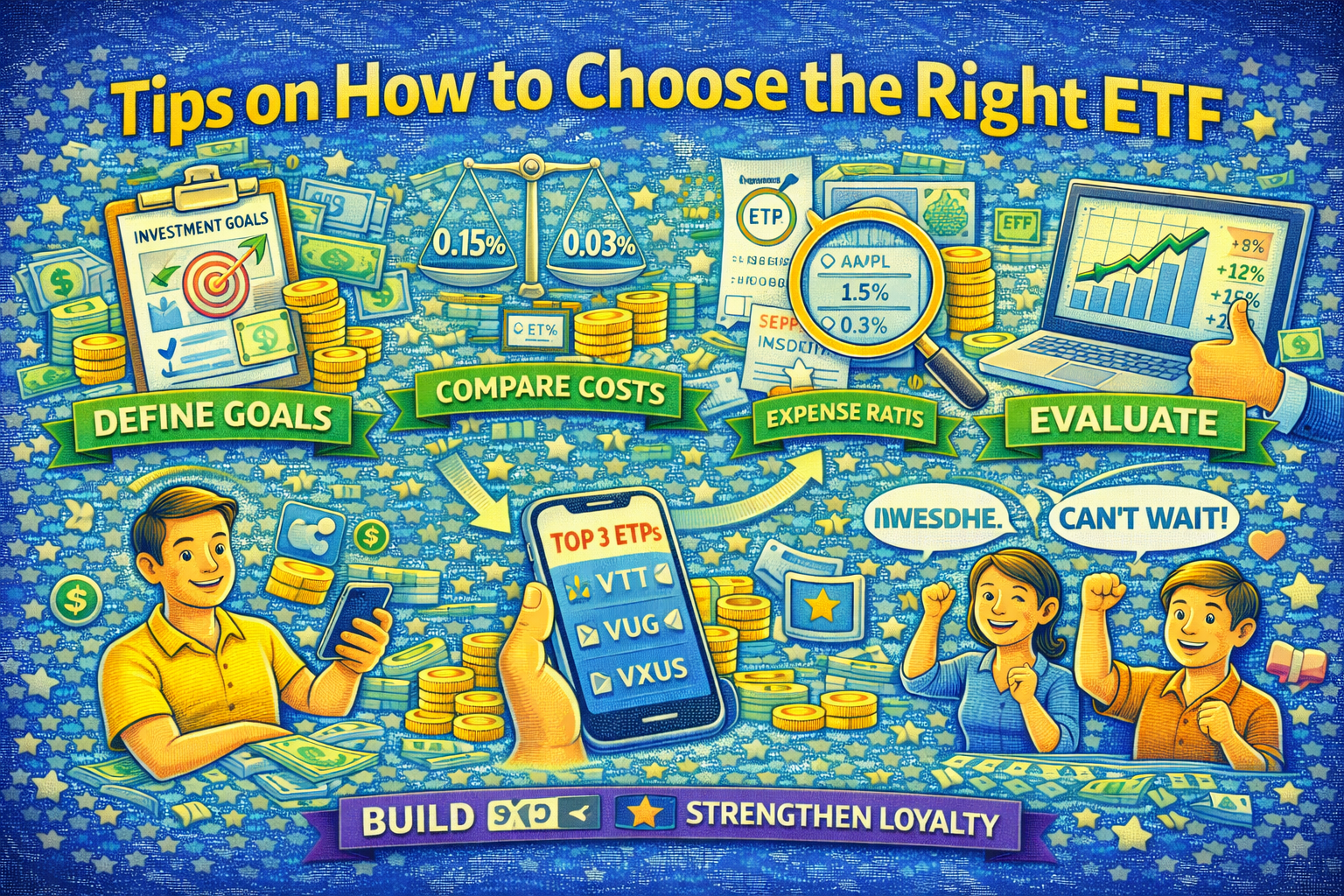
Exchange-Traded Funds (ETFs) are an increasingly popular investment option for individuals looking to diversify their portfolios, minimize risk, and achieve long-term financial goals. With so many ETFs to choose from, selecting the right one can feel overwhelming. In this article, we’ll explore tips on how to choose the right ETF and how SoFi’s investing tools can help you make smart decisions that align with your financial objectives.
1. Understand What an ETF Is
Before diving into the selection process, it’s essential to understand what an ETF is. An ETF is a type of investment fund that holds a collection of assets—such as stocks, bonds, or commodities—and trades on an exchange like a stock. The main advantage of ETFs is that they provide investors with diversified exposure to a wide range of assets without the need to purchase individual securities.
SoFi offers commission-free ETF trading, making it easier for you to invest in a wide variety of ETFs without paying extra fees. Understanding how ETFs work and why they’re a popular choice will help you make more informed investment decisions.
2. Identify Your Investment Goals
The first step in choosing the right ETF is determining your investment goals. Are you saving for retirement, building a college fund, or just looking to grow your wealth over time? Your financial goals will dictate which ETF is best for you.
SoFi’s investment tools allow you to set personalized financial goals and choose ETFs that align with your objectives. For example, if you’re focused on long-term growth, you may want to consider ETFs that track major stock indices, such as the S&P 500. On the other hand, if you’re looking for income, bond ETFs might be more suitable.
3. Consider ETF Types
There are many different types of ETFs, each designed to meet specific investment needs. Some of the most common categories include:
- Stock ETFs: These ETFs hold a portfolio of stocks and can focus on sectors, regions, or entire stock markets.
- Bond ETFs: These ETFs are made up of various bonds, offering more stable, fixed-income investments.
- Sector ETFs: Focus on specific industries, such as technology, healthcare, or energy.
- Commodity ETFs: Invest in physical commodities such as gold, oil, and agricultural products.
SoFi offers a wide range of ETFs that you can explore based on your interest in specific industries, markets, or asset classes. Their platform also provides detailed information about each ETF, including its performance history, holdings, and fees.
4. Review the Expense Ratio
The expense ratio is a crucial factor to consider when choosing an ETF. This is the fee that ETF providers charge to manage the fund, and it’s expressed as a percentage of your investment. Over time, high expense ratios can erode your returns, so it’s essential to choose ETFs with low fees.
SoFi’s Automated Investing platform makes it easy to compare ETFs based on their expense ratios. SoFi’s own ETFs, like the SoFi Select 500 ETF and SoFi Gig Economy ETF, have competitive expense ratios, allowing you to maximize your investment without sacrificing returns to high fees.
5. Check for Diversification
Diversification is key to managing risk in your investment portfolio. The more diversified your ETF is, the less vulnerable you are to the poor performance of any single asset or sector. When choosing an ETF, look at the fund’s holdings to ensure it provides exposure to a wide range of assets or companies.
SoFi’s investing platform offers detailed breakdowns of each ETF’s holdings, allowing you to assess its level of diversification. By investing in a well-diversified ETF, you reduce the impact of market volatility on your portfolio and increase your chances of long-term success.
6. Assess Historical Performance
While past performance isn’t a guarantee of future results, reviewing an ETF’s historical performance can give you insight into how the fund has performed in different market conditions. It’s essential to choose ETFs with a consistent track record that aligns with your risk tolerance and investment goals.
SoFi’s platform provides historical data for each ETF, allowing you to review its performance over various time frames. You can compare ETFs side-by-side to see which funds have performed well in both bullish and bearish markets.
7. Look at Liquidity
Liquidity refers to how easily an ETF can be bought or sold on the market. ETFs with higher liquidity tend to have lower trading costs, making them a more cost-effective choice for investors. Check the trading volume of the ETF to assess its liquidity.
With SoFi’s commission-free trading platform, you can trade ETFs easily, ensuring you can buy and sell your investments without worrying about high costs or poor liquidity. This flexibility is essential if you’re looking to actively manage your portfolio.
8. Take Advantage of SoFi’s Investment Tools
Choosing the right ETF can be made easier with the right tools. SoFi offers a range of features to help you make informed investment decisions, including:
- Auto Investing: If you prefer a hands-off approach, SoFi’s Automated Investing service will automatically invest your funds in a diversified portfolio of ETFs based on your goals and risk tolerance.
- Active Investing: For those who like more control, SoFi’s Active Investing allows you to choose your own ETFs and trade commission-free.
- Financial Advisors: SoFi members have access to certified financial planners who can provide personalized advice on which ETFs are best suited for your financial plan.
Conclusion: Start Your ETF Journey with SoFi
Choosing the right ETF doesn’t have to be complicated when you have the right strategy and resources in place. By identifying your goals, reviewing expense ratios, assessing diversification, and utilizing SoFi’s comprehensive tools, you can make smart investment decisions that will help you build a solid financial future.
Ready to start investing in ETFs? Open a free SoFi Invest account today and explore the wide range of ETF options that can help you achieve your financial goals with confidence.


Leave a Reply