
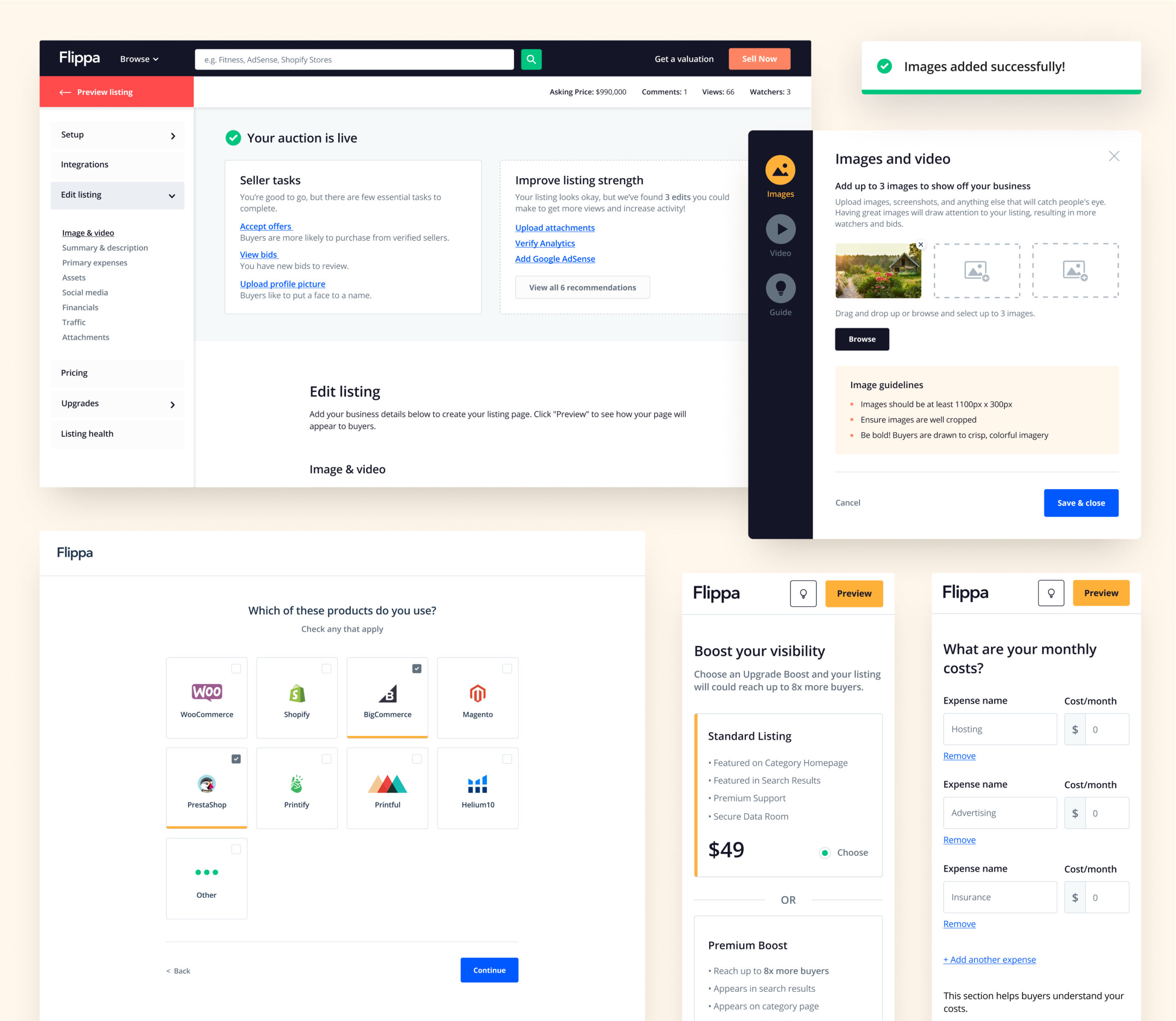
Flippa has been one of the most recognized marketplaces for buying and selling online businesses, websites, domains, and digital assets since its launch in 2009. In the world of digital entrepreneurship, it’s often compared to eBay for websites — open, accessible, and full of opportunity and risk.
This review cuts through the noise and tells you, with clear context:
-
What Flippa is
-
How it works
-
Pros and cons for buyers and sellers
-
Fees and safety considerations
-
Where Flippa excels — and where you must tread carefully
Let’s dive in.
What Is Flippa?
Flippa is an online marketplace where entrepreneurs can list and sell:
-
Websites (content sites, blogs)
-
eCommerce stores
-
SaaS businesses
-
Apps
-
Domain names
It connects buyers and sellers globally and facilitates transactions either through auctions or classified listings.
Unlike traditional business brokers, who curate every listing, Flippa uses an open listing model — meaning almost anyone can list a digital asset. This creates both opportunities and risks.
How Flippa Works
Here’s the basic process for buying or selling:
-
Create Listing: Sellers choose an auction or classified sale with reserve prices.
-
Showcase Metrics: Sellers can link analytics and revenue sources (e.g., Stripe, Shopify) to support claims.
-
Browse & Bid: Buyers search by category, price, revenue, age, niche, and other filters.
-
Due Diligence: Buyers validate traffic, revenue, and expenses independently — crucial because Flippa doesn’t fully guarantee every claim below certain price levels.
-
Escrow Payment: Flippa uses Escrow.com to hold funds until the transfer is complete, protecting both sides.
Auction vs Classified Listings:
-
Auctions have timed bidding (3–30 days)
-
Classified listings stay open until a deal is struck
Pros: What Flippa Does Well
1. Massive Marketplace & Diversity
Flippa hosts a wide range of assets at all price points — from starter sites ($1,000+) to seven-figure businesses.
2. Great for Beginners and Budget Investors
Because there are few barriers to entry for listings, buyers with smaller budgets can explore real digital assets.
3. Potential to Find “Hidden Gems.”
Motivated buyers sometimes find undervalued sites because many sellers overprice or poorly market good assets.
4. Built-In Escrow
Transactions are safer with escrow for larger deals, reducing risk of payment loss.
5. Useful Analytics Tools
Expanded metrics, such as integrated Google Analytics, PayPal, and Stripe data, enhance buyer confidence when sellers connect them.
6. Good Exposure for Sellers
Flippa’s large audience increases visibility, leading to faster sales than on smaller broker platforms.
❌ Cons: Drawbacks & Risks
1. Quality Can Vary Widely
Because of the open marketplace model, many listings have questionable or inflated revenue/traffic claims. Buyers must verify everything.
2. You Must Do Your Own Due Diligence
Flippa doesn’t independently verify most small listings. Buyers’ responsibilities include reviewing third-party analytics and financials.
3. Fees Can Add Up
Listing and success fees (often 5–10% on sales) plus escrow and payment processing can reduce net profits.
4. Competitive Marketplace
As Flippa grows more popular, quality deals often attract many buyers, driving prices up quickly.
5. Occasional Scams & Misleading Listings
Like any large open marketplace, scams and poorly detailed assets exist. Thorough due diligence is non-negotiable to avoid bad purchases.
6. No Built-In Migration Assistance
Unlike some brokers, Flippa generally does not manage the asset transfer steps for you — meaning more work for you post-purchase.
💰 Flippa Fees Explained
Flippa uses a combination of:
-
Listing fees (to post your asset)
-
Success fees (a percentage once it sells)
Typical ranges (subject to change):
-
Listing costs: $49–$199+
-
Success fees: ~5%–10% of sale price — higher for lower-priced assets and lower for larger transactions
These fees help fund escrow services, additional analytics, and platform maintenance — but buyers and sellers should model these into ROI or exit proceeds.
🛡️ Safety & Verification
Flippa has taken steps to reduce fraud and enhance trust:
✔ Seller identity verification (KYC)
✔ Optional revenue/traffic verification via third-party connections
✔ Third-party escrow (Escrow.com) for secured payment
✔ Rating and feedback system to track reputation
Still, no marketplace is perfect. Some users report mistaken purchases or sellers who misstate earnings, so verifying everything personally is critical.
📈 Who Flippa Is Best For
✔ Beginners & Side Hustlers:
Those with smaller budgets or exploring online assets.
✔ Investors Looking for Volume Deals:
If you’re comfortable with due diligence, there is inventory at all budgets.
✔ Sellers Seeking Wide Exposure:
Large audience increases the chance of competitive offers.
Not Ideal For:
-
Buyers who want fully vetted deals included by default
-
Sellers expecting broker-managed handovers
-
Large-scale acquisitions where curation and privacy are priorities
🧠 Expert Insight: What Users Say
Positive Experiences:
Many buyers and sellers report smooth experiences, strong support, and successful transactions when both sides do their research.
Negative Feedback:
Some users have faced issues with misleading asset claims, unresponsive buyers, and inconsistent customer support — underscoring the need for diligence when evaluating listings.
Think of Flippa like an open digital marketplace: the platform itself is legitimate and widely used, but the asset quality is buyer-dependent — much like eBay or Craigslist in other niches.
🏁 Final Verdict
Is Flippa Legit?
Yes — Flippa is a legitimate, established, and widely trusted marketplace for digital assets.
Is It Worth It?
-
For buyers: Only if you commit to thorough due diligence and understand the fundamentals of digital assets.
-
For sellers: A great way to reach a broad audience and get competitive offers.
-
For investors: Flippa can be a powerful tool, but vet assets thoroughly before bidding.
If you treat Flippa as the marketplace it is — with buyer responsibility at your side — you can find worthwhile deals and build a digital asset portfolio.
But don’t skip verification, escrow, and expert review when value and risk increase.


Leave a Reply